Why the 2026 UK Government Clampdown on Rogue Traders Matters
Home renovations, loft conversions, and kitchen extensions represent the largest financial commitment most British households make after purchasing their property. In late 2026, the Department for Business and Trade alongside Trading Standards announced a major enforcement clampdown targeting rogue builders who demand inflated upfront cash deposits, abandon structural projects mid-build, or fail to obtain mandatory Local Authority Building Control (LABC) sign-off.
While the vast majority of British tradespeople are skilled, conscientious professionals, rising material costs and high seasonal demand have created openings for opportunistic "cowboy" operators. The difference between a stress-free renovation and a costly dispute almost always comes down to the checks performed before the first skip arrives on your driveway.
"Never pay more than a modest materials reservation deposit upfront, and always tie stage payments to physical, inspected building milestones—not calendar dates." — Hire UK Consumer Vetting Standards
The 7 Red Flags of a Rogue Builder or Contractor
Before signing a quotation or transferring funds, watch out for these seven warning signs identified across UK Trading Standards casework:
- Cold-Calling at Your Doorstep: Claiming to have "leftover tarmac or roof tiles from a job down the road" or spotting a "loose ridge tile" from the pavement. Reputable UK builders have booked order books and never cold-call.
- Demanding 40%–50%+ Upfront in Cash: Legitimate contractors have trade credit accounts with national merchants (Jewson, Travis Perkins, Selco) and only require a reasonable mobilisation or bespoke materials deposit (typically 10%–15%).
- No Fixed Trading Address or Companies House Footprint: Always verify the legal entity name, registered office address, and VAT number (if charging VAT).
- Dismissing Building Regulations Approval: If a builder suggests skipping a Building Notice or Full Plans application to "save you time and council fees," walk away immediately. Without a Completion Certificate, you cannot legally sell or remortgage your home.
- Vague One-Line Estimates on WhatsApp: A professional quote separates labour, structural materials, provisional sums (such as kitchens, sanitaryware, and glazing), and VAT.
- No Public Liability or Contract Works Insurance: Domestic extension work requires a minimum of £2 million to £5 million in Public Liability Insurance.
- Refusal to Put a Payment Schedule in Writing: Stage payments must align with verified milestones (foundations poured, damp-proof course, watertight roof, first fix, second fix, practical completion).
2026 Safe Staged Payment Schedule for UK Domestic Building Projects
Verified Market Rates| Job / Service Scope | Typical UK Cost Range | Est. Timeframe | Action |
|---|---|---|---|
| Stage 1: Mobilisation & Bespoke Order Deposit | 5% – 15% of contract value | Upon signing written contract | |
| Stage 2: Groundworks, Trench Fill & Oversite Slab | 20% of contract value | After Building Control foundation inspection | |
| Stage 3: Superstructure & Watertight Roof Shell | 25% of contract value | Brickwork up, roof felted/tiled & windows fitted | |
| Stage 4: First Fix (Electrics, Plumbing, Plasterboard) | 20% of contract value | Cables/pipes routed & internal studwork complete | |
| Stage 5: Second Fix & Practical Completion | 15% – 20% of contract value | Skirting, doors, fixtures & Part P/Gas Safe certs | |
| Stage 6: Snagging Retention Release | 2.5% – 5% retention | Upon LABC Completion Certificate & snag sign-off |
Mandatory UK Building Control & Planning Compliance Checks
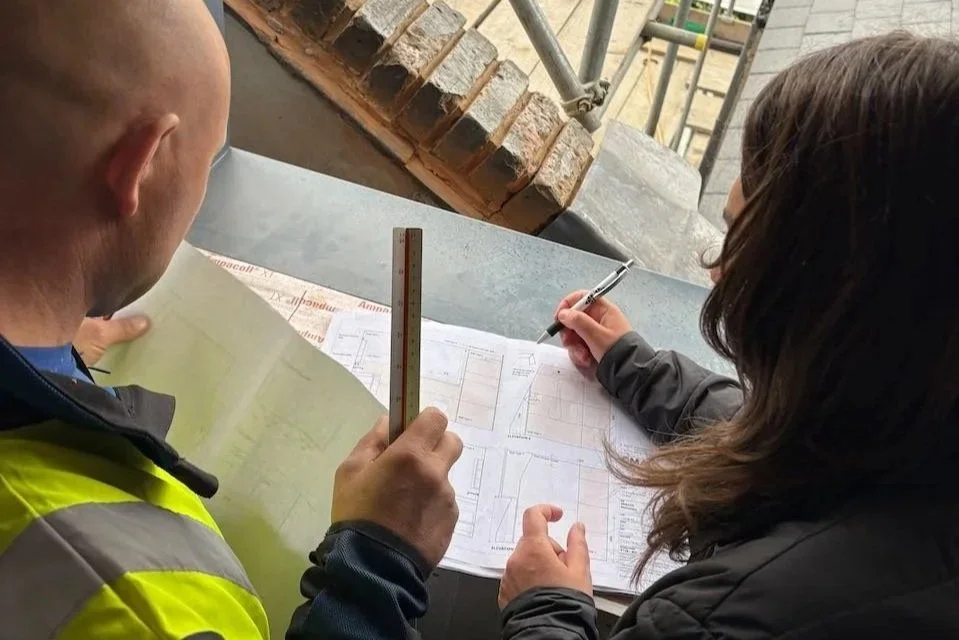
Even when a home extension falls under Permitted Development rights, it still requires Building Regulations approval (structural calculations for RSJ steel beams, foundation depths, Part L thermal U-values, and Part P electrical certification).

Frequently Asked Questions About Vetting UK Builders
How much deposit should I pay a UK builder upfront in 2026?
Should I use a written contract for a home renovation?
How do I check if a builder is genuinely insured?
What happens if my builder does not arrange Building Control inspections?
Planning an Extension, Refurbishment or Structural Project?
Compare itemized written quotes from verified local builders with authentic Google customer reviews.